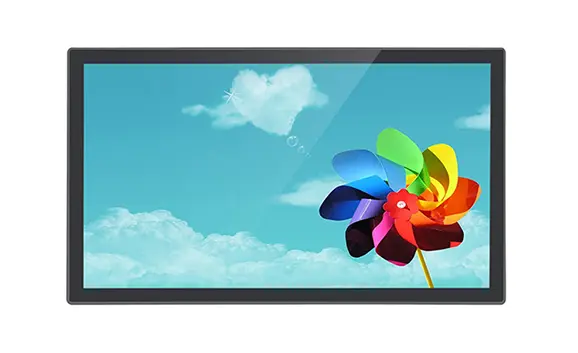
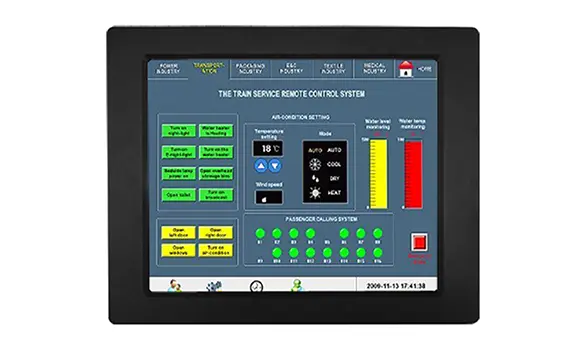
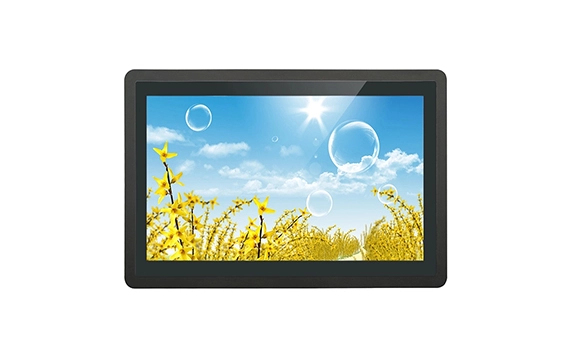
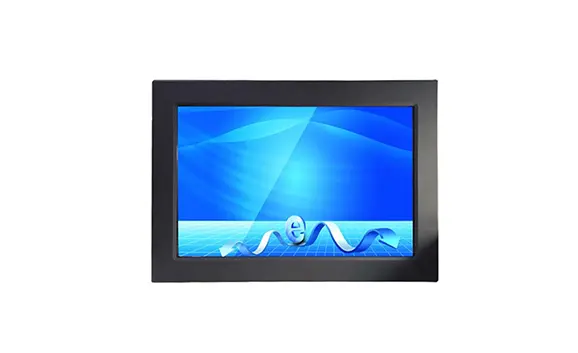
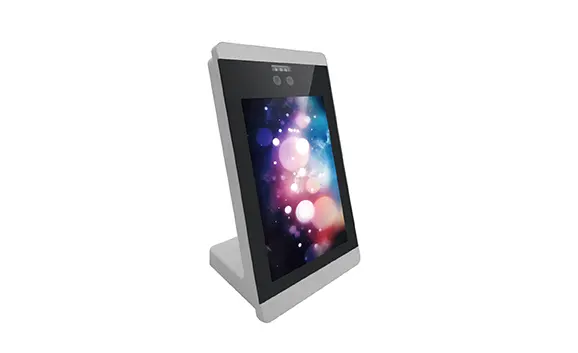
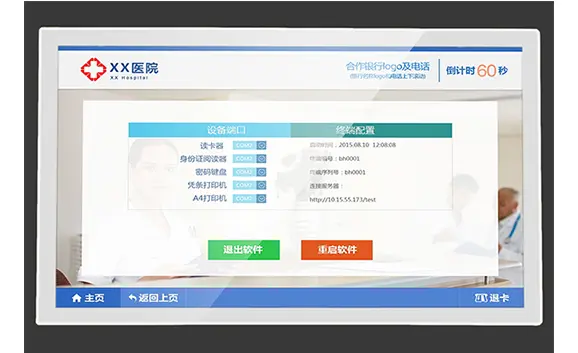
For OEM equipment manufacturers, selecting the right industrial display is an important decision during product development. The display is not only a visual interface but also a key component that affects equipment design, user experience, and overall reliability.
When integrating displays into machines, kiosks, automation equipment, or industrial control systems, manufacturers often need to choose between an open frame LCD monitor and a panel mount LCD monitor. Both solutions are widely used in industrial applications, but they are designed for different installation requirements.
An open frame LCD provides greater flexibility because it can be integrated into customized equipment housings, while a panel mount LCD monitor offers a more standardized installation method for applications that require direct mounting.
The best choice depends on factors such as equipment structure, available space, customization requirements, maintenance needs, and operating environment. Understanding the differences between these two display solutions helps OEM manufacturers create more reliable and efficient products.
Amongo provides industrial LCD solutions for OEM applications, including open frame displays, panel mount displays, touchscreen monitors, and customized display solutions.
OEM projects usually have different requirements compared with standard display applications. Manufacturers need to consider how the display will be integrated into the final equipment design.
Before selecting a display solution, engineers should evaluate:
Installation structure: Whether the display needs to be integrated into a custom housing or mounted directly onto a panel.
Space limitations: Whether internal equipment space requires a flexible display structure.
Customization requirements: Whether the project requires special sizes, touch functions, or appearance designs.
Maintenance considerations: Whether easy replacement and service access are important.
For equipment manufacturers developing unique products, an open frame LCD display often provides more design flexibility because the display module can be installed inside a customized enclosure.
A panel mount solution, on the other hand, is often preferred when equipment already has a standard mounting structure and requires a simple installation process.
Selecting the right display type at the beginning of the project can reduce redesign costs and improve overall product performance.
Although both display types can be used in industrial environments, their designs and installation methods are different.
| Comparison Factor | Open Frame LCD Monitor | Panel Mount LCD Monitor |
|---|---|---|
| Installation method | Integrated into customized equipment housing | Mounted directly onto equipment panels |
| Design flexibility | High flexibility for OEM customization | More standardized installation |
| Main advantage | Space optimization and product integration | Easy installation and maintenance |
| Common applications | Kiosks, automation machines, custom equipment | Industrial control panels and fixed systems |
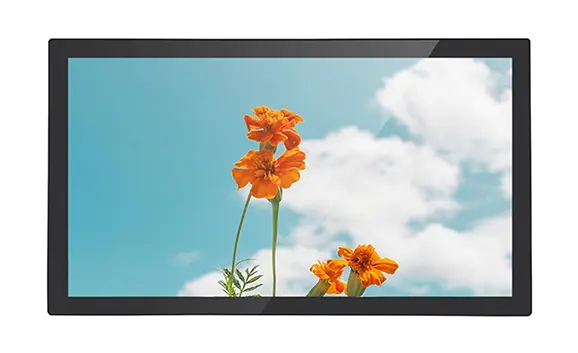
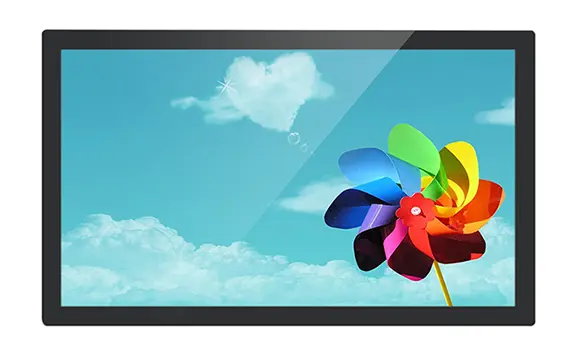
An open frame LCD monitor is designed without a traditional outer enclosure, allowing OEM manufacturers to integrate the display into their own product design.
This structure is especially useful for equipment that requires a specific appearance, compact installation, or customized mechanical design.
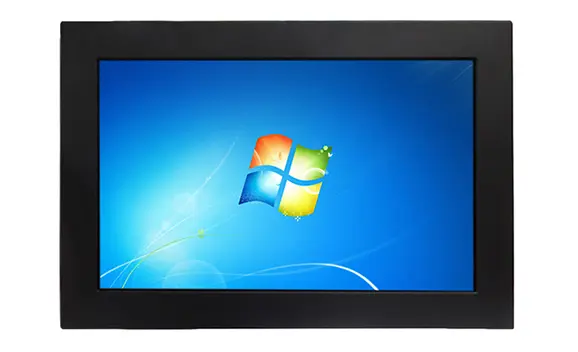
A panel mount LCD monitor usually includes a mounting frame that allows direct installation onto a machine panel. This makes it suitable for applications where fast installation and easy maintenance are priorities.
Neither option is universally better. The correct choice depends on the requirements of the equipment project.
An open frame LCD display is often the preferred solution for OEM manufacturers that require maximum flexibility during equipment development.
Typical advantages include:
Customized integration: The display can be installed into different equipment structures and enclosures.
Space efficiency: The slim design helps optimize internal equipment space.
Design flexibility: Manufacturers can create unique product appearances and user interfaces.
For example, self-service kiosks, medical equipment, industrial machines, and automation systems often require displays that fit specific mechanical designs.
Using an open frame solution allows manufacturers to control the overall equipment appearance while maintaining reliable display performance.
This makes open frame displays particularly suitable for OEM projects where standard display sizes or mounting methods cannot meet product requirements.
A panel mount LCD monitor is a practical choice when manufacturers need a simple and reliable installation method.
Panel mount displays are commonly selected when:
Equipment already has a standard front panel design.
Quick installation is required.
Maintenance and replacement need to be straightforward.
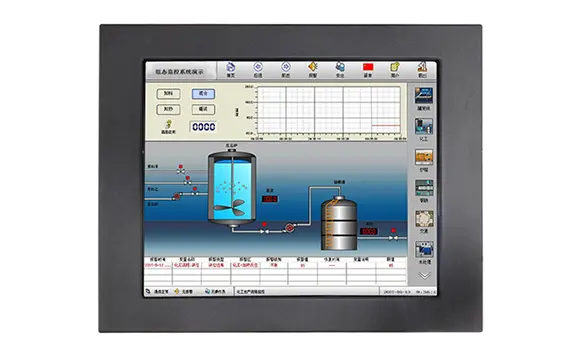
Industrial control systems, machine interfaces, and monitoring equipment often benefit from panel mount solutions because they can be installed directly into existing structures.
Compared with customized open frame integration, panel mount displays may reduce installation complexity for projects with standard requirements.
However, for equipment manufacturers seeking unique product designs or compact integration, an open frame LCD monitor may provide greater advantages.
Choosing the right industrial display requires both product knowledge and understanding of the final equipment application. Amongo provides customized display solutions designed for OEM manufacturers with different integration requirements.
With experience in industrial LCD development, Amongo supports customers with solutions including open frame LCD monitor, panel mount LCD monitor, touchscreen displays, and other customized display products.
For manufacturers developing new equipment, working with an experienced display supplier helps ensure the selected display meets requirements for size, installation structure, brightness, touch function, and operating environment.
Amongo helps OEM customers improve equipment reliability and user experience by providing flexible industrial display solutions.
Choosing between an open frame LCD monitor and a panel mount LCD monitor depends on equipment design, installation requirements, customization needs, and application environment.
An open frame LCD display provides greater flexibility for OEM integration, while panel mount displays offer easier installation for standardized industrial applications.
By understanding the differences between these solutions, manufacturers can select the right display technology and create more reliable industrial equipment.
Amongo provides customized industrial display solutions that help OEM manufacturers meet different project requirements and improve product performance.
An open frame LCD monitor is an industrial display without a traditional external enclosure, allowing OEM manufacturers to integrate it into customized equipment designs.
Open frame displays focus on flexible integration, while panel mount LCD monitors are designed for direct installation onto equipment panels.
The best choice depends on the equipment design. Open frame displays are suitable for customized projects, while panel mount solutions work well for standardized installations.
Yes. Open frame LCD displays can be combined with touchscreen technologies according to specific project requirements.
They are commonly used in kiosks, automation equipment, medical devices, industrial machines, and customized OEM systems.
Yes. Amongo provides customized display solutions based on size, installation method, touch function, brightness, and application requirements.