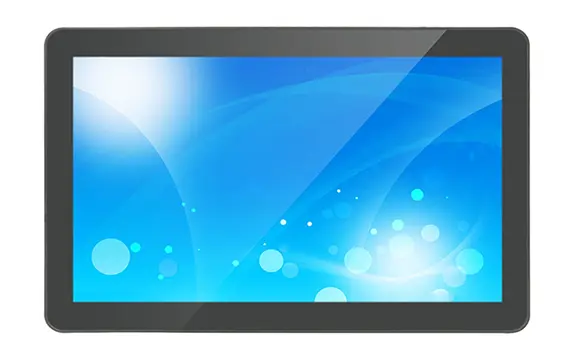
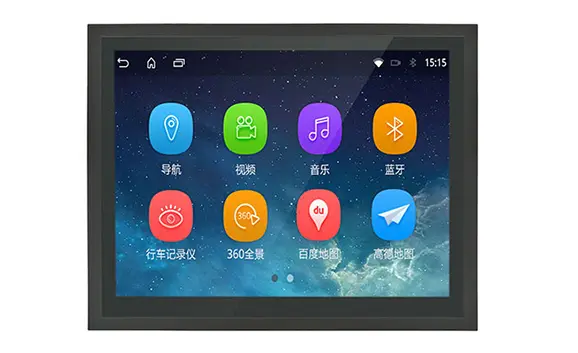
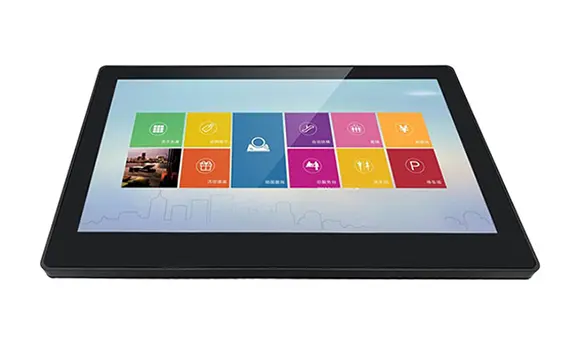
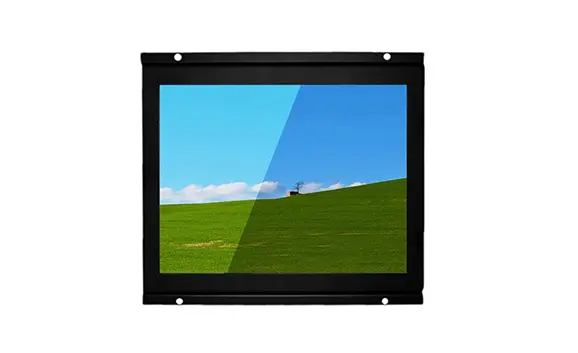
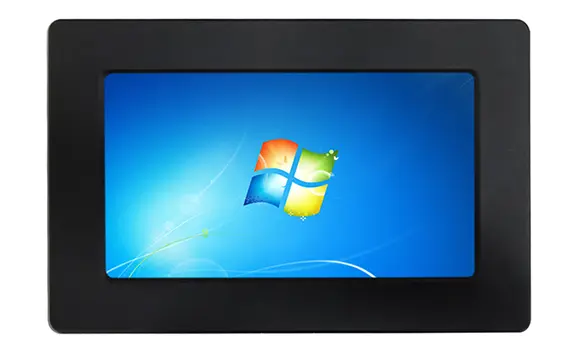
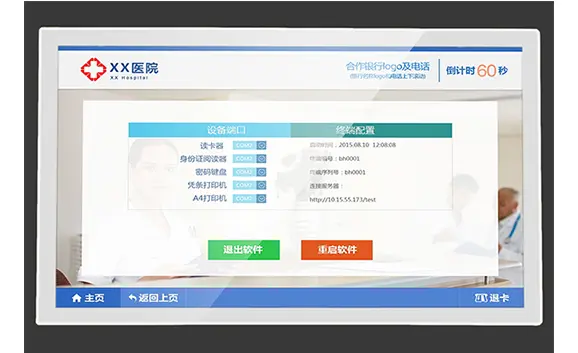
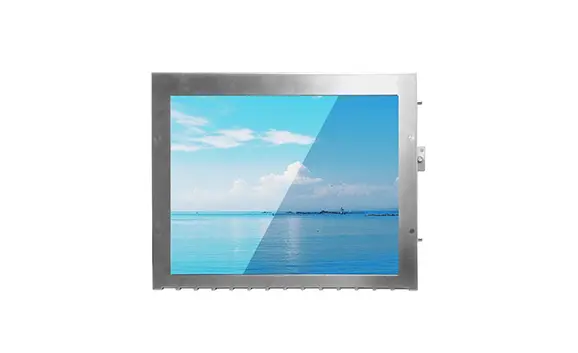
Industrial equipment used in factories, outdoor environments, transportation systems, and harsh operating conditions requires displays that can withstand dust, water, and environmental changes. Unlike standard commercial screens, industrial monitors need additional protection to maintain stable performance over long periods.
When selecting an industrial display, many engineers face a common question: should they choose an IP65 display, an ip66 monitor, or an ip67 monitor? Although these protection ratings may appear similar, they represent different levels of resistance against water and dust.
Choosing the correct waterproof rating is important because insufficient protection may lead to display failure, while excessive protection may increase unnecessary costs. The right choice depends on the actual working environment, exposure to water, cleaning requirements, and equipment installation conditions.
Amongo provides industrial display solutions designed for demanding applications, including waterproof LCD monitors and customized displays for outdoor and industrial environments.
The IP (Ingress Protection) rating defines how well a device is protected against solid particles and water intrusion. For industrial displays, IP ratings help engineers evaluate whether a monitor is suitable for a specific application environment.
The first number indicates protection against solid objects such as dust, while the second number represents protection against water.
Common industrial display ratings include:
IP65 display: Protected against dust and low-pressure water jets.
IP66 monitor: Protected against dust and stronger water jets.
IP67 monitor: Protected against dust and temporary immersion in water.
Understanding these differences helps manufacturers select the right display based on real operating conditions.
For example, equipment installed inside a factory may only require an IP65 display, while outdoor equipment exposed to rain, moisture, or frequent cleaning may require a higher protection level.
Although IP65, IP66, and IP67 monitors all provide dust protection, their water resistance capabilities are different.
| Protection Rating | Water Protection Level | Suitable Applications |
|---|---|---|
| IP65 | Protected against low-pressure water jets | Factory equipment, indoor industrial control panels |
| IP66 | Protected against powerful water jets | Outdoor equipment and frequent cleaning environments |
| IP67 | Protected against temporary water immersion | Outdoor terminals and harsh industrial applications |
An ip65 display is suitable for many standard industrial environments where dust protection and basic water resistance are required. It can handle common factory conditions and occasional exposure to water.
An ip66 monitor provides stronger protection against water jets, making it suitable for applications where equipment may need regular cleaning or may be exposed to stronger water spray.
An ip67 monitor offers the highest protection level among these three options. It is designed for environments where temporary water immersion may occur, making it a suitable choice for outdoor and more demanding applications.
However, a higher IP rating does not always mean a better solution. Engineers should select the protection level based on actual environmental requirements.
Selecting a waterproof industrial monitor requires evaluating how and where the display will be used.
Important factors include:
Environmental exposure: Outdoor equipment may require stronger protection against rain, dust, and moisture.
Cleaning requirements: Equipment exposed to regular washing may need higher water resistance.
Installation conditions: The location and structure of the equipment can influence protection requirements.
For example, an industrial control panel installed inside a protected factory environment may not need an IP67 rating. An outdoor self-service machine, however, may require a monitor ip67 solution because it must operate under changing weather conditions.
Manufacturers should also consider other display factors, including brightness, touch function, viewing angle, and operating temperature. Waterproof protection is only one part of selecting a reliable industrial display.
Choosing the right combination of features helps improve equipment reliability while controlling project costs.
Selecting an industrial monitor based only on the IP rating can lead to incorrect decisions.
Common mistakes include:
Choosing a protection level that does not match the actual environment.
Ignoring other important specifications such as brightness and temperature range.
Selecting the highest rating without considering whether it provides practical value.
For example, an IP67 display may provide excellent protection, but if the equipment is installed indoors, an IP65 or IP66 solution may already meet the application requirements.
A complete evaluation of environmental conditions and equipment design helps manufacturers choose a more suitable waterproof display solution.
An ip67 monitor is commonly used in applications where displays must maintain reliable performance under challenging conditions.
Typical applications include outdoor self-service equipment, transportation systems, industrial machines, and equipment installed in areas exposed to moisture or dust.
For transportation and outdoor applications, protection against rain and changing weather conditions is especially important. For industrial equipment, waterproof displays can help reduce maintenance risks caused by cleaning processes or environmental exposure.
By selecting the appropriate waterproof rating during the equipment design stage, manufacturers can improve product reliability and extend the service life of their systems.
Selecting the right waterproof display requires both technical knowledge and application experience. Amongo provides industrial display solutions designed for different protection requirements, including IP65, IP66, and ip67 monitor options.
With experience in industrial display development, Amongo supports OEM customers with customized solutions based on display size, brightness, touch function, protection level, and installation requirements.
For companies developing outdoor or harsh-environment equipment, working with an experienced display supplier helps ensure the monitor meets both performance and reliability expectations.
Amongo helps manufacturers create durable industrial products by providing display solutions designed for demanding applications.
Choosing between an ip65 display, ip66 monitor, and ip67 monitor depends on the actual working environment, water exposure, cleaning requirements, and equipment design.
While an ip67 monitor provides stronger protection against water, the best solution is the one that matches the specific application needs. By evaluating protection requirements together with other display specifications, manufacturers can achieve reliable performance and better cost efficiency.
Amongo provides waterproof industrial display solutions that help OEM manufacturers improve durability and reliability in challenging environments.
IP67 means the display is protected against dust and can withstand temporary immersion in water under defined testing conditions.
An IP67 monitor provides stronger water protection, but whether it is better depends on the actual application requirements.
An IP66 monitor protects against powerful water jets, while an IP67 monitor additionally provides protection against temporary water immersion.
IP67 monitors are commonly used in outdoor equipment, transportation systems, industrial machines, and harsh environments.
No. The required protection level depends on exposure to water, dust, weather conditions, and cleaning requirements.
Yes. Amongo provides customized industrial display solutions based on protection level, display size, touch function, and application requirements.